Best Cardboard Boxes for Fruit and Vegetables for Markets
Environmentally Conscious Made-to-Order Produce Boxes: Freshness Delivered Eco-Consciously
Eco-friendly bespoke produce boxes mark a key transformation in food distribution methods. They give emphasis to both quality and sustainability, addressing growing consumer concerns. These boxes, specifically designed for various fruits and vegetables, help reduce spoilage through innovative designs. Made from recyclable and biodegradable materials, they illustrate a commitment to environmental responsibility. As more consumers look for sustainable options, understanding the impact of these boxes becomes vital. What implications do they have for the future of food packaging?
Comprehending Eco-Friendly Custom Produce Boxes
Eco-friendly custom produce boxes can be tailored to specific sizes and designs, accommodating various types of fruits and vegetables. This customization not only enhances the visual attractiveness but also guarantees optimal safeguarding during transport. Additionally, the application of natural inks and adhesives aligns with eco-conscious values, reinforcing the commitment to sustainability.
The Positive Impacts of Eco-Friendly Custom Produce Boxes
Custom produce boxes provide numerous advantages that transcend simple functionality. Essentially, they improve product freshness by rendering superior protection during transport, hence reducing deterioration and surplus. These boxes are fashioned to handle varied shapes and sizes of produce, verifying that items remain protected and sound.
Furthermore, green bespoke fruit packaging advance sustainability. Built using recyclable or biodegradable materials, they lessen environmental impact and appeal to sustainability-minded consumers. This demonstrates rising buyer interest for sustainable practices in agricultural sourcing and wrapping.
Moreover, custom solutions enable businesses to strengthen their brand identity. Distinctive packaging can capture interest and foster customer loyalty, distinguishing one item from another in a competitive market. Overall, the advantages of eco-friendly custom produce boxes lead to a more sustainable food system while improving the consumer satisfaction.
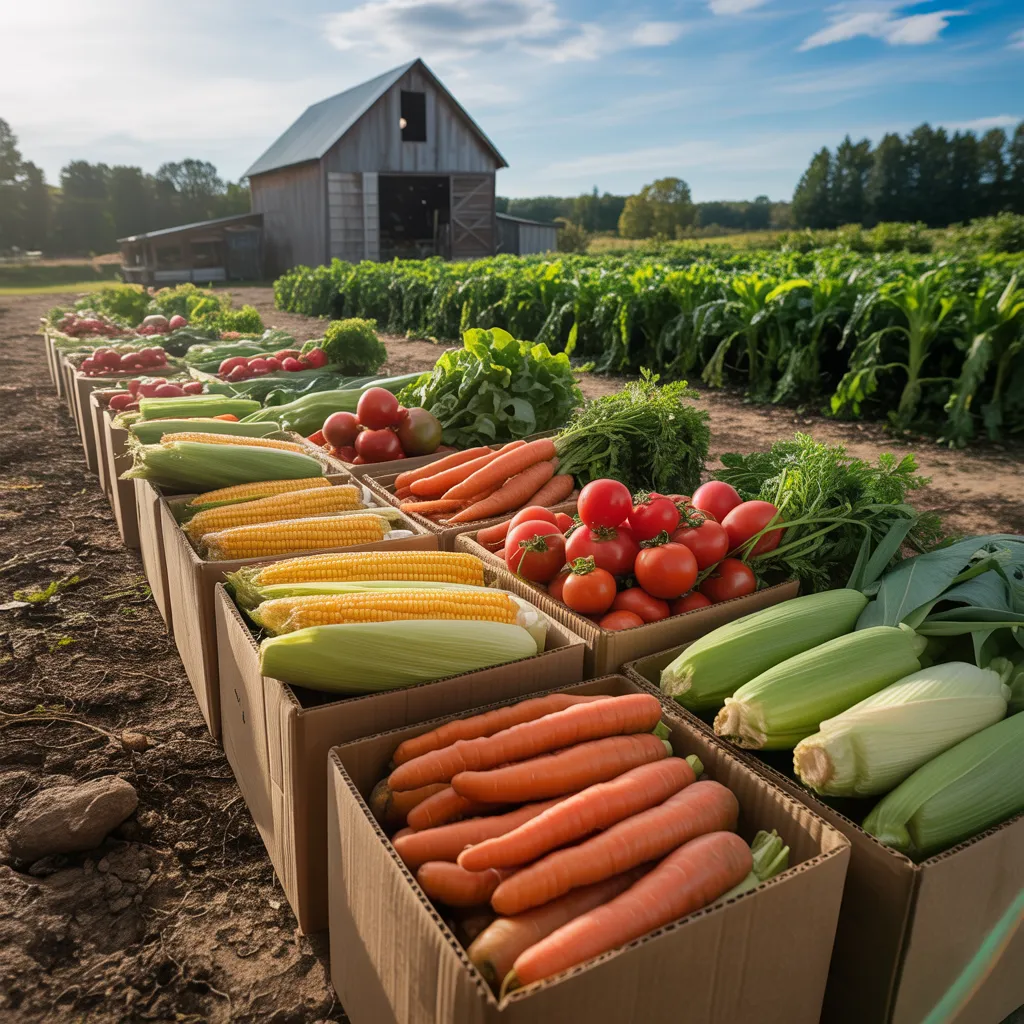
What Elements Serve in Environmentally Responsible Fruit and Vegetable Boxes?
While various items can be employed for produce packaging, those constructed with eco-awareness in mind often showcase alternatives like reclaimed cardboard, corrugated paper, and biodegradable plastics. Post-consumer cardboard is a favored option due to its lightweight nature and potential to be reused multiple times, lowering total waste. Corrugated paper delivers strength, making it suitable for delivering heavier items while proving environmentally friendly.
Biodegradable plastics, generally produced from plant-based materials, function as a viable option to traditional plastics, breaking down more expeditiously in natural environments. Additionally, some eco-friendly produce boxes adopt sustainable inks and adhesives, further minimizing their environmental impact.
These materials not only guarantee the freshness of the produce but also align with the growing consumer demand for sustainable packaging solutions. By choosing these eco-conscious options, manufacturers add to a circular economy, advancing a greener planet while providing fresh products directly to consumers.
Biodegradable vs. Recyclable: What's the Better Option?
The discussion between biodegradable and recyclable substances in environmentally friendly produce boxes centers on their individual environmental impacts and durability. Biodegradable options break down naturally, potentially reducing landfill waste, while recyclable materials can be repurposed but often require energy-intensive processes. Comprehending these elements is essential for consumers seeking to make environmentally responsible choices.
Environmental Effects Analysis
When analyzing the environmental impact of packaging options, the choice between biodegradable and recyclable materials often is a critical consideration. Biodegradable materials naturally decompose, decreasing landfill waste and promoting soil health. However, their decomposition calls for specific conditions, which might not always be present in typical waste management systems. Meanwhile, recyclable materials can be reprocessed and utilized again, reducing the dependency on virgin resources. Still, their recycling efficiency is heavily reliant on local infrastructure and consumer engagement. Each option offers its advantages; biodegradable materials contribute positively to the environment in the long term, while recyclable materials can be more productive in conserving resources. In the end, the choice depends on specific contexts, including local waste management capabilities and user behavior.
Material Durability Elements
Evaluating product durability is essential in determining whether biodegradable or recyclable alternatives are more suitable for environmentally friendly produce boxes. Biodegradable materials, such as plant-based plastics, break down naturally over time but may require specific environmental conditions to decompose effectively. In contrast, recyclable materials like cardboard and certain plastics can be repurposed multiple times, minimizing overall waste. However, the recycling process can consume energy and resources, affecting their sustainability profile. The choice between these two options often copyrights on the intended use of the boxes and the local waste management practices. Ultimately, understanding the durability factors helps consumers and businesses make educated decisions that align with their environmental goals while ensuring the freshness of the produce.
Understanding Sustainable Wrapping Does for Community Farm Operators
Sustainable packaging transforms the way local farmers deliver their produce, creating a direct link between environmentally conscious practices and consumer preferences. By employing biodegradable and recyclable materials, farmers can improve their brand image and appeal to a expanding market segment that prioritizes sustainability. This shift not only supports environmental programs but also builds community loyalty, as consumers are more likely to support farmers who share read the information their values.
Furthermore, eco-friendly packaging regularly improves the longevity of products, ensuring produce remains in good condition during transport and at the retail location. This may result in higher sales and reduced spoilage, supporting local economies. Using eco-friendly practices further creates opportunities for joint efforts with local businesses and markets, encouraging a circular economy.
Thus, environmentally responsible packaging represents an significant tool for local farmers, facilitating them to succeed while additionally bolstering green practices and community well-being.
How Sustainable Materials Cuts Down on Food Waste
Eco-friendly packaging contributes to lowering food waste, reinforcing the endeavors of local farmers who practice sustainable methods. By leveraging biodegradable and recyclable materials, these packages reduce environmental impact while confirming that produce remains fresh for extended periods. Properly designed packaging prevents spoilage during transportation and storage, handling a critical point in the supply chain where food is often lost.
Moreover, environmentally conscious alternatives typically feature air circulation and humidity management, which are essential for maintaining the condition of fruits and vegetables. This not only prolongs shelf life but also encourages consumers to purchase more produce without the fear of it going bad. As a result, the use of green packaging adds to a closed-loop system by promoting responsible consumption and reducing the overall volume of waste generated. In turn, this cultivates a more eco-conscious food system that benefits both consumers and producers alike.
Strategies for Boosting Freshness in Your Produce Delivery
To guarantee the optimal freshness of produce deliveries, consumers should monitor storage conditions immediately upon arrival. First, it is critical to unpack the items promptly and evaluate their condition. Leafy greens and herbs thrive in a cool, humid environment, so storing them in the refrigerator's crisper drawer is advisable. Conversely, fruits like bananas and avocados may require room temperature to ripen properly before refrigeration.
In addition, consumers should keep separate fruits generating ethylene, such as apples and tomatoes, from tender produce to prevent premature spoilage. Good ventilation is also critical; keeping produce in breathable bags can help retain freshness.
Regularly inspecting the items for indicators of decay ensures that any affected produce is removed before it affects others. Finally, using produce within its optimal window enhances flavor and nutritional value, assuring that the advantages of sustainable delivery options are fully realized.
Often Posed Questions
How Can I Customize My Eco-Friendly Produce Box?
To customize an sustainable vegetable box, one can select favorite fruits and vegetables, designate box size, choose shipping schedule, and opt for environmentally responsible packaging choices, ensuring a customized and eco-aware service tailored to individual preferences.
Do Size Alternatives Available for Different Produce Categories?
Yes, various size options are available to suit various kinds of produce. These sizes address personal choices and amounts, guaranteeing customers receive the perfect container for their particular requirements and items.
Can I Order These Boxes in Bulk?
Yes, large volume orders of the boxes are available. Customers can decide various quantities to cater to their needs, verifying that they have plentiful supply for their produce while maintaining sustainability in their packaging choices.
Do Green Vegetable Containers Feature Insulating Material?
Eco-friendly produce boxes typically feature thermal barriers to keep temperature stable and freshness during transit. This feature guarantees that perishable items remain safeguarded, enhancing product freshness while adhering to sustainable packaging practices in the delivery process.
What Is the Typical Shipping Duration for These Boxes?
Usually, delivery times for these boxes last between one to three days, depending on the location and the copyright. Customers can look forward to timely arrivals to guarantee superior quality for the produce inside.